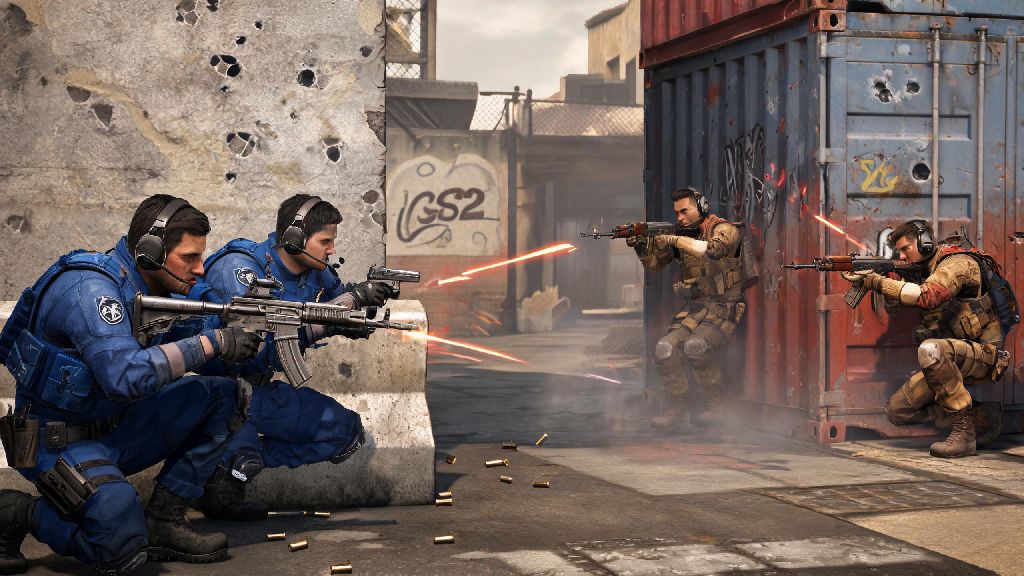
If you’ve scrolled through gaming social media or heard friends rant about one-taps and smoke lineups lately, you’ve almost certainly heard mentions of Valve’s latest tactical shooter release. Whether you’re a long-time CS:GO fan who stepped away a few years ago or a complete newbie to the franchise wondering what is Counter-Strike 2, this guide breaks down everything you need to know before jumping into your first match. Unlike fast-paced arcade shooters that prioritize constant action, CS2 rewards patience, strategic thinking, and precise aim, making it one of the most rewarding competitive games you can play right now.
Core Basics: What is Counter-Strike 2?
Counter-Strike 2 is the official sequel to Counter-Strike: Global Offensive (CS:GO), Valve’s hit 2012 tactical shooter that amassed over 30 million monthly active players at its peak. It launched as a free-to-play game exclusively for PC in 2023, and replaced CS:GO entirely on Steam a few months after its full release. The core gameplay loop stays true to the 25-year-old Counter-Strike formula: two teams of five players, Terrorists and Counter-Terrorists, face off across short 1 minute 55 second rounds to complete objectives. Unlike most game sequels that force players to start fresh, Valve transferred every skin, sticker, and cosmetic item from CS:GO to CS2 for free, so long-time fans didn’t lose any of the items they spent years collecting.
Most competitive matches follow the bomb defusal game mode: Terrorists aim to plant a bomb on one of two designated bombsites and protect it until it explodes, while Counter-Terrorists aim to defuse the bomb or eliminate all Terrorist players before it can be planted. The first team to win 16 rounds takes the match, and if both teams tie at 15 rounds apiece, the game goes into overtime until one team pulls ahead by two rounds. There’s also a less popular hostages mode where Counter-Terrorists have to rescue hostages held by the Terrorist team, but it’s rarely played in casual or competitive matchmaking.
Key Gameplay Changes From CS:GO
CS2 runs on Valve’s new Source 2 engine, which is a massive upgrade from the 20-year-old Source engine that powered CS:GO. The first thing you’ll notice when you launch the game is the improved graphics: maps have updated textures, better lighting, and more realistic environmental details that make locations feel far more immersive than they did in CS:GO. Dynamic smokes are the biggest gameplay shakeup to the CS franchise in over a decade, as they now expand to fill empty space, interact with other utility like molotovs, and can be shot or blown up to create temporary gaps. That means you can no longer hide behind a static smoke for the entire round, and you can use utility to create new angles you never had access to before.
The only downside of the new sub-tick server system is that it can feel a bit jarring for long-time CS:GO players who spent years getting used to the old 64-tick timing, but most players adjust after a few weeks of play. Sub-tick servers register your inputs instantly instead of waiting for the next server tick, so your shots land exactly when you fire them, eliminating the frustrating peeker’s advantage that ruined many CS:GO matches. You’ll also notice much clearer audio cues, so you can tell exactly where enemy footsteps are coming from, whether they’re on metal, wood, or concrete, without squinting at your screen to guess.
CS2 Matchmaking and Ranking System Explained
CS2 has a range of matchmaking modes for every skill level, from casual play for fun to high-stakes competitive play for players looking to climb the ranks. Casual mode is the best place for new players to start: it has 10v10 matches, friendly fire turned off by default, and no impact on your competitive rank, so you can learn maps and weapon recoil without worrying about letting a team down. If you want a more serious experience without the pressure of ranked play, you can also jump into unranked competitive matches, which follow the full 5v5 competitive rules but don’t count towards your rank.
The ranked system got a full overhaul for CS2, moving away from the single global rank system used in CS:GO. Map-specific ranks mean you don’t have to worry about losing your overall rank if you’re still learning how to play a less popular map like Vertigo, as you earn a separate rank for each group of maps. If you want to compete against the best players, you can unlock Premier mode once you earn any competitive rank. Premier mode uses a numerical skill rating from 0 to 35,000, and lets you and your team ban and pick maps before each match, so you never have to play a map you hate.
Before you can unlock competitive matchmaking, you’ll need to meet a few simple requirements to cut down on cheaters and smurfs:
Smurfing (high-rank players making new accounts to play against low-rank beginners) is far less common in CS2 than it was in CS:GO, thanks to the phone number requirement, so new players don’t have to worry about getting matched against players way out of their skill level most of the time. If you do run into a smurf or cheater, you can report them directly in the match, and Valve’s anti-cheat system VACnet usually bans cheaters within a few hours of the report.
Beginner Tips to Succeed in Your First CS2 Matches
It’s normal to lose your first 10 or 20 CS2 matches, even if you have experience playing other FPS games. The learning curve is steep, but there are a few simple tips that will help you win more rounds and have more fun while you learn. The first and most important tip is to stop buying expensive guns every single round. Learning how to manage your in-game economy is just as important as having good aim when you first start playing. If your team lost the last three rounds, you’ll only have enough money for a pistol and armor, and wasting all your cash on an AK-47 you’ll lose in 10 seconds will leave you broke for the next two rounds as well.
Second, stop hoarding your utility. Many new players hold onto their smoke grenades, flashbangs, and molotovs for the entire round, never using them even when their team is pushing a bombsite or getting overrun. A well-thrown smoke can block enemy vision so your team can plant the bomb safely, and a flashbang thrown around a corner can blind an enemy holding an angle so you can take them out easily. You can find hundreds of free custom workshop maps that let you practice basic utility lineups for your favorite maps, and spending 10 minutes a day practicing them will make a huge difference in your win rate.
Third, communicate with your team even if you don’t have a mic. You don’t need to make constant callouts, but typing a quick message to let your team know you saw an enemy push A site or that the bomb is planted will help your team make better strategic decisions. Don’t get tilted if your team makes mistakes, either; everyone has bad rounds, and getting angry will only make you play worse. So take a deep breath, focus on your own play, and remember that even pro players lose half their matches sometimes.
At the end of the day, Counter-Strike 2 is a game that’s easy to pick up but nearly impossible to master, which is why it’s retained such a loyal fanbase for over two decades. If you’ve been curious about what is Counter-Strike 2 and whether it’s worth giving a shot, there’s no better time to jump in than right now – it’s free to play, has thousands of active players at all skill levels, and you can spend hundreds of hours playing and still find new things to learn. Don’t get discouraged if you lose your first 10 matches; even the best pro players started out getting one-tapped by more experienced opponents.