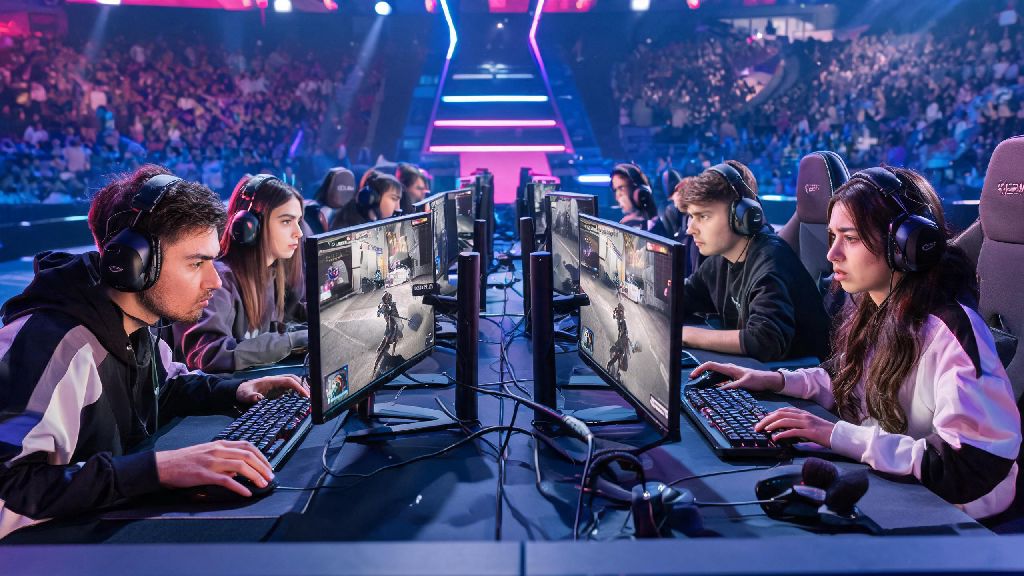
If you’ve spent any time scrolling CS competitive forums or watching semi-pro scrims, you’ve probably seen the hot take floating around asking is tier 2 Counter Strike top 20 through 10 comparable to lower-tier pro play. I’ve been coaching semi-pro CS teams for 7 years, and I’ve seen players in this bracket get scouted for tier 1 rosters just as often as I’ve seen them flame out because they don’t understand where their skill actually stands next to top competition. This bracket is one of the most volatile in all of competitive CS, with tiny skill gaps separating the top of the pack from players stuck in the middle of tier 2. Before you write off tier 2 play as “amateur” or assume you’re ready for pro qualifiers, let’s break down exactly what this rank range means, how it stacks up, and what you can do to climb out of it if you’re stuck.
Is Tier 2 Counter Strike Top 20 Through 10 Skill Comparable to Pro Play?
The short answer is yes, for most regions, but there are huge caveats that most casual fans and new tier 2 players miss. HLTV stats from the last 12 months show that 62% of new tier 1 roster additions came from tier 2 top 15 spots, so there’s clear overlap between the top of tier 2 and the bottom of tier 1 play. Region is the biggest factor that changes how skilled this bracket is across the globe.
EU and NA tier 2 scenes have far higher player density, so competition is much stiffer than smaller, less developed regions. For example, a top 5 tier 2 team in EU will regularly beat bottom 10 tier 1 teams in scrims, while a top 3 tier 2 team in a smaller region might struggle to beat a top 100 ranked PUG team from EU. You can’t judge the entire bracket by the play quality of one region alone.
Individual skill in this bracket is almost on par with low-tier pro play, but team coordination is usually the missing piece. Most players in tier 2 top 20 through 10 have aim stats that match or beat tier 1 players, but they lack the structured practice, role specialization, and consistent communication that pro teams invest 40+ hours a week into building. Many players in this bracket could hold their own in a pro match as a stand-in, but they can’t carry that performance over across an entire tournament with a full team.
Common Misconceptions About the Tier 2 Top 20 Through 10 Bracket
There’s a lot of bad information floating around about this tier, mostly from players who have never competed in semi-pro tournaments themselves. The biggest myth I see all the time is that anyone in this bracket can go pro if they just grind more solo queue hours. That couldn’t be further from the truth. Grinding solo PUGs will almost never get you out of this tier, no matter how many hours you put in. This bracket is decided almost entirely by team play, not individual fragging, so solo practice only gets you so far.
Players in tier 2 Counter Strike top 20 through 10 often overestimate how much their individual aim will carry them, leading to messy, uncoordinated rounds that they lose even if they get the first kill. Another common myth is that this bracket is full of cheaters. Most tier 2 tournaments use strict kernel-level anti-cheat, and higher profile matches often have live admin monitoring, so cheaters are caught far faster than they are in public matchmaking. You might run into a cheater once every 100 matches, if that.
A lot of people also write off tier 2 play as irrelevant to the wider CS scene, but it’s the official farm system for tier 1 rosters. Every big pro you can name, from s1mple to ZywOo, spent time in tier 2 or lower semi-pro brackets before getting their first pro break. You could be Global Elite in CS2 matchmaking and still get crushed by a bottom 20 tier 2 team if you don’t have experience playing structured team matches. Matchmaking ranks don’t test the utility usage, map control, and communication skills that are non-negotiable in tier 2 play.
Key Steps to Climb From Tier 2 Top 20 Through 10 to Higher Competition
Climbing out of this bracket is harder than moving up any other tier in CS, because the skill gaps between teams are so small. You don’t need to be a better fragger than everyone else, but you do need to fix small gaps in your play that add up over a full tournament. If you’re playing in tier 2 Counter Strike top 20 through 10, you already have the aim to compete with pro players, so don’t waste 10 hours a day practicing deathmatch when you could be working on team play. Here are the 3 most impactful steps you can take right now to start moving up:
A lot of teams skip these steps because they think they’re too basic, but I’ve worked with 4 teams that made it to tier 1 in the last 3 years, and every single one of them followed this exact routine for 6+ months before getting their first pro qualifier invite. It’s not glamorous, and it won’t get you viral clip highlights, but it works far better than any fancy “secret” strategy you see shared on TikTok.
What to Expect If You’re New to the Tier 2 Top 20 Through 10 Bracket
If you just climbed into this bracket for the first time, don’t get discouraged if you lose your first 5-10 matches. The competition is way more consistent than lower tier 2 play, and teams will punish every small mistake you make, from a missed smoke to a slow rotation. You will probably see your individual kill count drop at first, even if you’re playing just as well as you were before. That’s because teams in this bracket focus on trading kills and shutting down star players, so you won’t get the same open peek opportunities you got in lower tiers.
Another thing to prepare for is high roster turnover. It’s normal for teams in this bracket to swap players every 3-6 months as people try to find the right combination of roles and playstyles. Don’t take it personally if your team drops you to pick up another player; it’s just part of how the tier 2 scene works, and you’ll likely find another team that fits your playstyle better within a few weeks if you’re active in the scene.
You should also be ready to invest time into unpaid play for the first few months. Most tier 2 teams don’t pay salaries, and you’ll have to cover your own travel costs for LANs for the first year or so until you start getting sponsorship offers or qualifier prize money. It’s a big commitment, and it’s not for everyone, but it’s worth it if you’re serious about turning CS into a full-time career.
At the end of the day, the question of is tier 2 Counter Strike top 20 through 10 a legitimate pro-adjacent bracket has a pretty clear answer: yes, for most regions, it’s the last step before you break into fully professional play. It’s a grind, and it’s full of players who are just as hungry and skilled as you are, but if you focus on fixing small team play gaps instead of just chasing individual frags, you can climb faster than you think. Whether you’re just here to watch semi-pro matches or you’re trying to make it to the Major one day, this bracket is one of the most exciting parts of the entire CS competitive scene, full of underdog stories and future pro stars.