If you’ve logged into Steam in the last year and saw both CS:GO and Counter Strike 2 sitting in your library, you’ve probably asked yourself at least once: is counter strike 2 a separate game? It’s a fair question, especially if you remember the messy rollout of other Valve game updates that blurred the line between DLC and full releases. I’ve been playing Counter Strike titles for over 12 years, from the original 1.6 through Global Offensive, so I’ve dug through all the official announcements, player feedback, and in-game details to break down exactly how CS2 fits into the franchise. I’ve also put in over 1,200 hours of CS2 play since launch, so I know first hand how it compares to the older CS titles most of us grew up playing.
Is Counter Strike 2 a Separate Game From CS:GO?
At launch, Valve framed CS2 as a massive update to CS:GO, not a full standalone release, but that’s only part of the story. If you look under the hood, CS2 is built on the Source 2 engine, while CS:GO ran on the original Source engine that first launched in 2004. That’s a full generational gap in game development, which means the two games share almost no core code, even if their core gameplay loops are similar. Valve pushed CS2 as a free update for all CS:GO owners when it launched, so you never had to pay extra to access it, which is part of why so many players are confused about its status. If you want to play the old CS:GO build, you can still access it by opting into the "Legacy CS:GO" beta branch on Steam, so it’s not like Valve deleted the original game entirely. But the default version that shows up when you click "Play" on the Counter Strike Steam page is now CS2, so for most casual players, it’s effectively replaced CS:GO as the main game in the franchise.
Key Differences That Set CS2 Apart From Older Counter Strike Titles
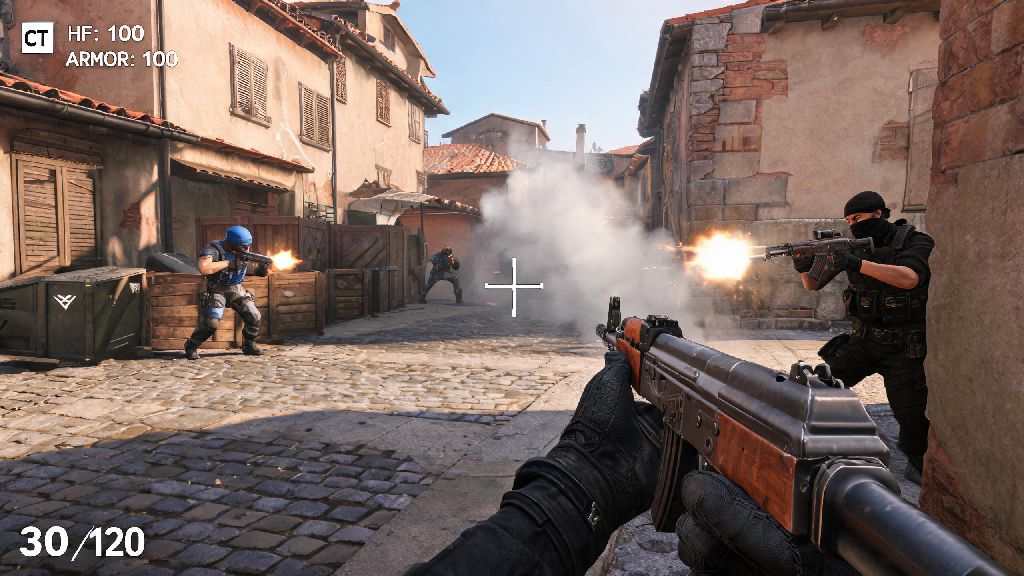
Once you play a few rounds of CS2, it’s immediately clear that it’s not just a graphical update for CS:GO. There are dozens of small and large changes that alter how you play the game, from basic movement to high-level competitive strategy. Dynamic smoke grenades are the biggest gameplay shift that makes CS2 feel entirely different from CS:GO. Instead of being a static, pre-rendered wall that blocks all vision, smoke in CS2 is a dynamic volumetric object. You can shoot holes through it to see enemies on the other side, throw incendiary grenades to push smoke away from a site, or even use flashbangs to light up the inside of smoke to spot opponents. That single change rewrote almost every standard site take and hold strategy that players had perfected over 10 years of CS:GO play.
Sub-tick server technology eliminates the "peeker's advantage" that was a common complaint in high-level CS:GO play. In CS:GO, the server only updated game state 64 or 128 times per second, which meant players who rounded a corner first often had a split second advantage where they could see an opponent before the opponent could see them. CS2’s sub-tick servers track player actions in between server ticks, so hit registration and visibility are far more consistent, no matter what your ping is. You’ll also notice updated maps with better lighting and more detailed textures, a redesigned UI that’s easier to navigate, and new weapon animations that feel far more responsive than the old CS:GO ones. I played over 4,000 hours of CS:GO, and it took me about 20 hours of CS2 play to get used to all the small changes, but once I did, I found it hard to go back to the clunkier feel of CS:GO.
What Content Carries Over Between CS:GO and CS2?
One of the biggest concerns players had when CS2 was announced was whether they’d lose all the skins, ranks, and progress they’d built up over a decade of CS:GO play. The good news is that almost all of your personal content transfers over, with only a few small exceptions. If you had limited edition skins in CS:GO, their value has generally stayed the same or increased in CS2, thanks to the improved graphics that make their details pop. Here’s a full breakdown of what does and doesn’t transfer:
If you have a crosshair you’ve spent years perfecting in CS:GO, you can easily import it to CS2 using your crosshair share code, so you don’t have to rebuild it from scratch. You also won’t lose any of your match history or stats from CS:GO, they’ll still be visible on your Steam profile and third-party stat tracking sites. The only content that didn’t transfer was a small number of community-made custom maps that weren’t updated for Source 2, but most popular custom maps have since been ported over to CS2 by their creators.
Should You Play CS2 or Stick to the Legacy CS:GO Build?
Now that you know the differences between the two games, you might be wondering if it’s worth making the switch to CS2, or if you should just keep playing the CS:GO build you already know and love. For most players, the answer is definitely to give CS2 a try. The active player count for CS2 is more than 10 times higher than the legacy CS:GO build, so you’ll get faster matchmaking, more active custom servers, and more people to play with, especially if you play competitive ranks. Valve has stopped releasing official updates for CS:GO, so any future balance changes, new maps, or esports events will be exclusive to CS2 moving forward. If you’re a fan of CS esports, all the major tournaments like the Major Championships and IEM Katowice are now played on CS2, so playing the same build as the pros makes it easier to learn new strategies from their matches.
That said, there are a few cases where sticking to CS:GO makes sense. If you have a very old PC that doesn’t meet the minimum system requirements for CS2, the legacy build will run much smoother on lower end hardware. If you play a lot of niche custom game modes that haven’t been ported to Source 2 yet, or you just hate the new smoke mechanics and don’t want to relearn how to play, the legacy CS:GO build isn’t going anywhere any time soon. I kept the legacy CS:GO build installed for the first 6 months after CS2 launched, but I haven’t opened it in almost 8 months now, because all my friends play CS2, and the new gameplay mechanics feel more polished once you get used to them.
At the end of the day, the answer to whether is counter strike 2 a separate game depends on how you look at it. It’s a standalone build on a brand new engine with enough gameplay changes to feel like its own title, but it’s tied directly to the CS:GO ecosystem, with free access for all existing players and full inventory carryover for almost all items. If you haven’t tried CS2 yet, it’s worth giving it a few matches to see how the new mechanics feel, even if you’re a long-time CS:GO fan. You might be surprised by how much more polished the whole experience is, even with the small learning curve that comes with the new features. If you really don’t vibe with the changes, you can always switch back to the legacy CS:GO build whenever you want, so there’s no risk of losing access to the game you already love.